
MV Theorists
- Dec 25, 2023
- 6 min read
Updated: May 18, 2024
Postmodernism is a cultural phenomenon that emerged in the late 20th century as a successor to Modernism. It rejects the meta-narratives and breaks the rules of conventions to create new media texts. To understand and be able to analyse these texts, we are aided by theorists. Let us analyse the contributions of six prominent theorists to breaking down postmodern texts, specifically in the context of music videos.
Sven E Carlsson
Black and White Box theory:
He believed that the most common way to analyse music videos is to set them up into black and white boxes, and everything that is then perceived as opposite Trash or art, male or female, etc. These contrasting elements create Binary opposition, which drives the video's narrative forward. This binary opposition is evident in the music video: That's Not How This Works by Charlie Puth featuring Sabrina Carpenter. It uses contrasting imagery of happiness vs sadness visible through the artist's expressions, light vs dark tones throughout music videos to show pre-breakup and post-breakup time and yellow vs blue hues to show Joy vs sorrow. Many music videos like this can easily be analysed using Carlsson's Black and white boxes, as each aspect of the music video either shows a positive or negative connotation, which tends to be used in contrasting pairs throughout the MV.
Types of music videos:
According to Sven E Carlsson, there are two types of Music videos- Performance and Conceptual. Performance is further categorised into three types:
Commercial exhibit: A performance by an artist in which the artist is selling themselves to the audience and selling their music by presenting themselves in a way that makes them seem more appealing to the viewers. This is commonly done through a voyeuristic approach to seem more appealing to the male audience, i.e., Toxic by Britney Spears.
Televised Bard: It is when the singer is also part of this storytelling imagery shown in the Music video as they sing about the narrative.
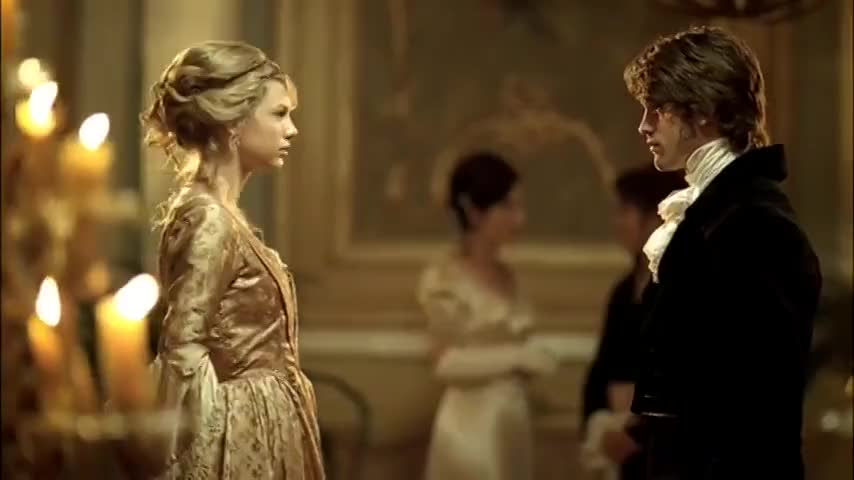
Many of Taylor Swift's songs fall under this category, including Love Story. The MV was inspired by Shakespeare's play ''Romeo and Juliet''. It shows her falling in love with a guy in high school and then shifts the romanticised view set as a period drama. Throughout the music video, she sings the song at a castle location and is included in all the narrative visuals.
Electronic Shaman: Using magic, well, not literally as Editing magic is used to create an effect of narration through music as the performer is hidden and only the visual narrative is played out.
Marshemello's 'Happier' and 'Here with Me' both have music videos that play as a short story aided by the music in which the artist himself is not included. This allows the entire music video to rely solely on the art of storytelling through visuals and audio, so the artist's star image is not the music video's primary focus; instead, it lets the art speak for itself. Both these music videos contain a narrative that tugs at the heartstrings and elicits an emotional response from the viewer, automatically creating an emotional connection to the music for the audience.
Conceptual:
As discussed in my previous post, this type is for music videos that revolve the entire music video around a concept, such as Mind is a Prison by Alec Benjamin, which shows how the overflow of thoughts can make us feel stuck and drowning. Conceptual music videos are more challenging to interpret than regular music videos as they contain metaphors and a different approach to conveying a message, so the audience can also have multiple interpretations of the music video, which might differ from the text's intended meaning.
Michael shore
Elements of Music videos:
Shore concluded that certain elements are repeated in music videos, including Showoff of excessive wealth, power, and speed, soft-core pornography and cliched imagery. He believes that music videos are overloaded with recycled styles to cater to adolescent fantasies, and overall, the music videos are just aesthetic imagery with no deeper meaning.
This phenomenon is held primarily true for rap and hip-hop music videos. Drake, one of the best-selling music artists worldwide, acclaimed for blending rap, R&B, and pop genres, has multiple videos that prove Shore's point, as seen in the recent MV Jumbotron Shit Poppin. The music video flexes diamonds, Lamborghini, Rolex and a mansion, all signs of excessive wealth.
John Stewart
Stewart's description of the music video as ''incorportating, raiding and Reconstructing'' is one that, in the essence of Intertextuality. He believes music videos are only partially original as they reconstruct the original text into something more relevant to the current audience. Apart from Intertextuality and visual inspiration for music videos, he believes they are found directly in Fashion, Art and Cinema. The aesthetics of TV commercials are mimicked by utilising factors such as colour palette and lighting and focusing on artists using close-ups, allowing the music video to be visually appealing. Unlike live performances, Music videos can be consumed at any time, which provides audiences more access to artists, according to Stewart.
The music video for Traitor by Olivia Rodrigo heavily uses a closeup of Olivia’s face and soft lighting to create a dreamy atmosphere and a tender glow-like effect to mirror the sensual aura of the music. This could be considered an example of Stewart’s idea that music video visuals are no different from the aesthetics in TV commercials, all to make the viewing experience more appealing for the audiences. The video also continues to prove the theorist’s point of intertextuality, as it evokes a sense of nostalgia through its use of the camcorder effect, neon lights and arcade location featuring tons of games you might have used to play a long time ago, all in order to emulate the feel of old camcorder footage.
Laura Mulvey
Male Gaze
In her influential essay titled "Visual Pleasure and Narrative Cinema," Mulvey introduced the concept of the male gaze. She states, "In a world ordered by sexual imbalance, pleasure in looking has been split between active/male and passive/female. The determining male gaze projects its fantasy onto the female figure, styled accordingly." She argues that women are sexualised in media to be more appealing to male audiences to increase reach and make a profit.
With over a billion views, Can’t Remember to Forget by Shakira song’s MV has been shot through a voyeuristic approach. It shows a dismembered view of a woman, with the camera focusing on Shakira and Rihanna’s bodies and sensual movements throughout the music video. The wardrobe chosen for the music video is specifically catered to show more skin to attract the male gaze naturally to such a video. In contrast, music videos that break this conventional notion of the male gaze are henceforth considered progressive and thus are more prevalent in a large population with the rise in feminism and women empowerment in today’s world.
Andrew Goodwin
Goodwin's contributions to understanding music videos, outlined in his book "Dancing in the Distraction Factory," have been valuable in providing a framework for analysing music videos.
Categorising music videos: He introduced a way to classify each music video as performance, narrative or concept-based, which can be further categorised by their links between music and visuals as literal, amplified or disjuncture. I have explored all such type of music video in this post: Types of music videos
Star Image and Demands of the record label (use of recognisable motifs for particular artists).: Goodwin's theory states that record labels require close-ups of artists or artists have recurring elements in their music videos that may become identifiers for them. These motifs, such as the Red Hot Chilli Peppers icon, are featured in all their performances. This becomes part of Star's brand image.
Genre Characteristics: Conventional genres have certain elements that are consistently repeated in music videos. Goodwin has defined these elements as Genre Characteristics. For example, the Rock music genre features characteristics of dark lighting, grunge costumes and a complete band playing. This notion of repetition leads to defining these genres, so implementing themes in music videos allows consumers to quickly determine the music genre for which they view the MV.
Voyeurism - 'The notion of looking': Building upon Mulvey’s concept of the male gaze, Dyer identifies that in media, the camera focuses on women's body parts instead of them, creating a dismembered view of women by perceiving them as objects for pleasure. This voyeuristic view of women in music videos attracts male audiences and ensures that the MV performs well.
Intertextuality: Intertextual references in MV give audiences something to identify with. Fancy by Iggy Azalea's music video is a homage to the 1995 iconic rom-com Clueless. From the wardrobe, characters and moments in the video are all recreated from the movie, and nothing is original. It is a slight twist on the original film as now it features the best moments hand-picked to elicit the maximum amount of nostalgia the music video can capitalize on by just having the artist lip-sync the song.
Richard Dyer
Star Theory:
A Star Image, theorised by Dyer, is a precisely manufactured image of an artist constructed carefully by record labels and their marketing teams to make their artists more identifiable in the crowd and generate interest beyond their work. You can read more about Dyer's star theory in this post: Star Image

Comments